
When it comes to maintaining excellent oral health, brushing alone is not enough. Even with the most diligent brushing routine, plaque and food debris can remain trapped between the teeth and along the gumline, areas your toothbrush simply cannot reach effectively. That is where interdental cleaning becomes essential.
For many years, traditional floss has been considered the gold standard. However, water flossers have become increasingly popular, offering a modern alternative that promises convenience and comfort. But which option is truly better for your oral health?
We are often asked whether patients should stick with conventional floss or invest in a water flosser. The answer depends on your individual needs, lifestyle and oral health concerns.
What Is Traditional Flossing?
Traditional flossing involves using a thin strand of floss to physically remove plaque, bacteria and food particles from between the teeth and beneath the gum line. It remains one of the most effective ways to reduce the build-up of plaque in areas that brushing cannot reach.
When performed correctly, flossing can help to:
- Prevent gum disease
- Reduce the risk of tooth decay between teeth
- Minimise bad breath
- Improve overall gum health
Dental professionals have recommended daily flossing for decades because of its proven ability to disrupt harmful bacteria before it leads to inflammation and decay.
What Is a Water Flosser?
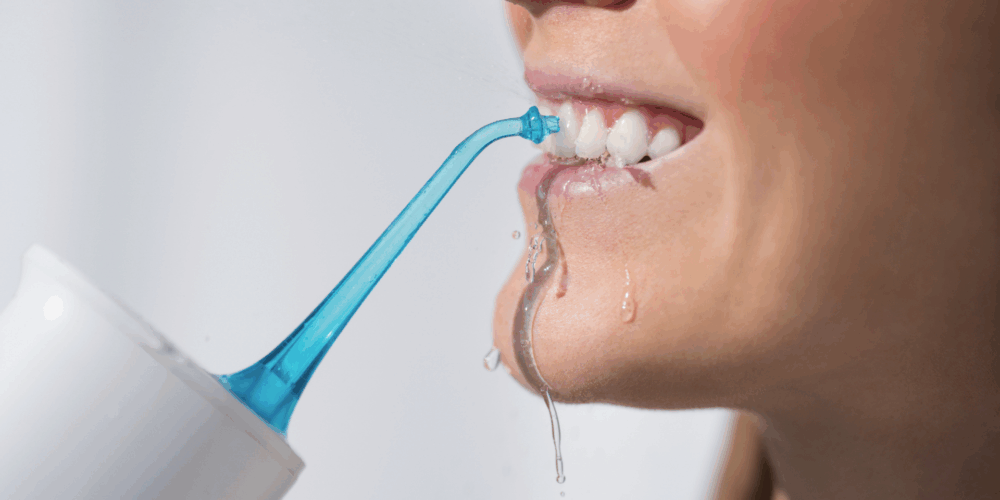
A water flosser (sometimes referred to as an oral irrigator), uses a pressurised stream of water to clean between the teeth and around the gums. Devices such as Waterpik® have gained popularity due to their ease of use and gentle cleaning action.
Water flossers can be particularly beneficial for patients who:
- Wear braces or orthodontic appliances
- Have dental implants, crowns or bridges
- Experience gum sensitivity or bleeding
- Struggle with manual dexterity
- Find traditional floss uncomfortable or difficult to use
Many patients also appreciate the convenience and comfort that water flossers provide, especially when incorporated into a modern oral hygiene routine.
Which Cleans Better – Are water flossers as good as flossing?
The truth is that both traditional floss and water flossers can be highly effective when used properly.
Traditional floss excels at physically scraping plaque from the tooth surface, making it exceptionally effective for tight contact points between teeth. For patients with healthy gums and good flossing technique, it remains an excellent option.
Water flossers, meanwhile, are highly effective at flushing out bacteria and debris below the gumline. Studies have shown they can significantly reduce gum inflammation and bleeding, particularly for patients with gingivitis or orthodontic appliances.
What do we recommend?
Ultimately, the “better” option is the one you are most likely to use consistently and correctly. The most important thing is maintaining a daily flossing routine, whether that is with traditional floss or a water flosser. Consistency is what truly makes the difference to your oral health.
Traditional Floss: Pros and Cons
Advantages
- Inexpensive and widely available
- Excellent for removing plaque between tight teeth
- Portable and convenient for travel
- No charging or electricity required
Disadvantages
- Technique-sensitive
- Can be uncomfortable for some patients
- Difficult for individuals with braces or dexterity issues
- May cause bleeding if used aggressively
Water Flossers: Pros and Cons
Advantages
- Gentle on sensitive gums
- Easy to use
- Ideal for braces, implants and dental work
- Encourages better compliance for many patients
Disadvantages
- More expensive initially
- Requires charging or power supply
- Less portable
- May not remove stubborn plaque as effectively as string floss in some areas
Can You Use Both?
Absolutely. In fact, many dental professionals recommend combining both methods for optimal oral hygiene.
Using traditional floss once daily alongside a water flosser can provide a particularly thorough clean, especially for patients prone to gum disease or plaque build-up.
Think of water flossers as an excellent enhancement to your oral care routine rather than a complete replacement in every situation.
Our Recommendation
At our clinic, we believe oral hygiene should always be tailored to the individual. There is no universal solution that suits every patient.
For some, traditional floss remains the most effective option. For others, particularly those with braces, implants or sensitive gums, a water flosser may dramatically improve both comfort and consistency.
The most important factor is maintaining a daily interdental cleaning routine alongside regular brushing and professional dental examinations.
If you are unsure which option is best for your smile, our experienced dental team would be delighted to advise you during your next appointment.