
When it comes to children’s oral health, parents often focus on brushing, sugar intake and regular check-ups. However, some dental conditions develop while teeth are still forming or before they even appear in the mouth. One of these conditions is enamel hypoplasia.
At our Kensington dental practice, we regularly support families across Kensington and the surrounding areas in managing this condition early and effectively. Being proactive is the best protection.
What Is Enamel Hypoplasia?
Enamel hypoplasia is a developmental condition where the enamel (the hard, protective outer layer of the tooth) does not form properly. This results in enamel that is thinner than normal or missing in certain areas.
It can affect both:
- Baby (primary) teeth
- Adult (permanent) teeth
Because enamel cannot repair itself, early diagnosis and management are important.
What Does Enamel Hypoplasia Look Like?
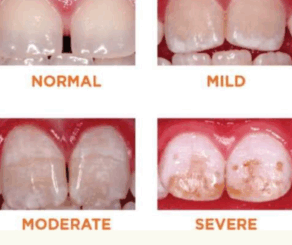
Enamel hypoplasia can vary in appearance. You may notice:
- White, cream, yellow or brown patches on the teeth
- Grooves or pits in the surface of the enamel
- Teeth that appear smaller or uneven
- Increased sensitivity to hot, cold or sweet foods
- Teeth that chip more easily
In some cases, it may be mistaken for simple staining. A dental examination can confirm the difference.
What Causes Enamel Hypoplasia?
Enamel forms while a child is still developing — during pregnancy and early childhood. Disruption at this stage can affect how enamel develops.
Common causes of enamel hypoplasia include:
- Premature birth
- Maternal illness during pregnancy
- High fevers or infections in early childhood
- Nutritional deficiencies (particularly vitamin D or calcium)
- Certain medical conditions
- Trauma to baby teeth (which can affect the developing adult tooth underneath)
Why Early Treatment Matters
Teeth affected by enamel hypoplasia are more vulnerable to:
- Tooth decay
- Sensitivity and discomfort
- Wear and breakage
- Cosmetic concerns affecting confidence
Because the enamel is thinner, bacteria can reach the inner layers of the tooth more easily. Early intervention and treatment of enamel hypoplasia helps prevent further complications.
Treatment Options for Children
The right treatment depends on the severity of the condition and your child’s age. Options may include:
1. Preventive Care
- Fluoride applications for children to strengthen enamel
- Fissure sealants to protect grooves
- Tailored oral hygiene advice
2. Tooth-Coloured Fillings
Used to restore areas where enamel is missing and protect the tooth structure.
3. Protective Crowns
In more severe cases, especially in back teeth, crowns may be recommended to provide full coverage and durability.
4.Protective Home Routine:
This includes brushing twice daily with fluoride toothpaste and being careful with sugar and acids in diet.
5. Cosmetic Treatments (for older children)
For visible front teeth, minimally invasive cosmetic options can improve appearance once the child is older. Such treatments include the Icon Treatment.
When Should You See a Dentist?
If you notice unusual marks, grooves, or sensitivity in your child’s teeth, it’s best to seek professional advice. Early diagnosis of enamel hypoplasia makes treatment simpler and more effective.
Enamel hypoplasia can sound worrying, but with the right care, children with this condition can maintain healthy, strong and confident smiles.
If you have concerns about your child’s teeth, our Kensington dental team is here to provide guidance, reassurance and tailored treatment options in a calm, child-friendly environment.