
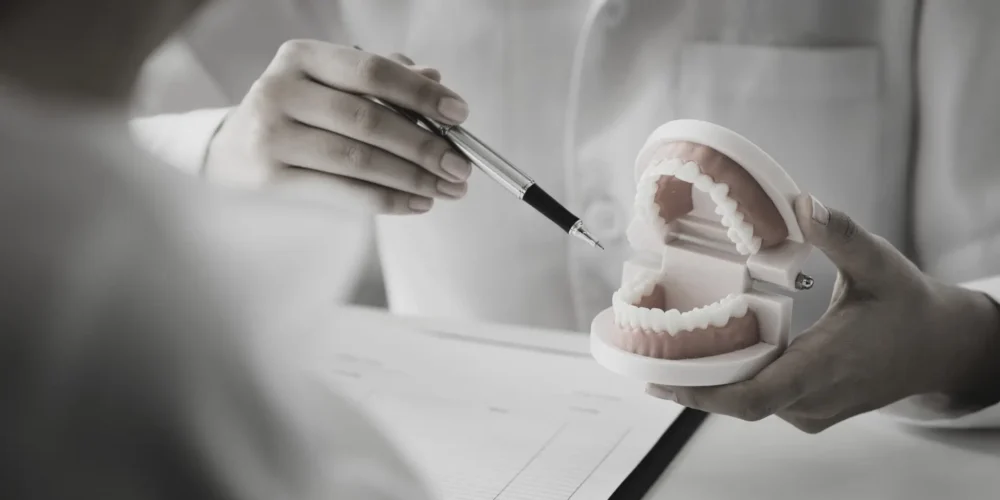
When it comes to dentistry, there is no universal treatment plan. Every smile is different, and so too are the factors that influence its health, function and appearance.
From the health of the teeth and gums to a patient’s lifestyle, priorities and long-term goals, effective dental care begins with understanding the individual behind the smile. A personalised approach allows treatment to be planned with greater consideration, ensuring that clinical needs and individual expectations are carefully balanced.
At The Kensington Dentist, this philosophy is central to delivering thoughtful, patient-focused care.
Understanding the Individual Behind the Smile
No two patients present with exactly the same oral health needs. Even when two people have similar concerns, the underlying causes and most appropriate treatment options may differ considerably.
For one patient, the priority may be maintaining healthy gums and preventing future problems. For another, it may be restoring a damaged tooth, addressing tooth wear or exploring options to improve the appearance of their smile.
A comprehensive dental examination provides the foundation for understanding these differences. This involves evaluating the teeth, gums, bite and existing restorations, alongside relevant medical and dental history. Where appropriate, diagnostic imaging and digital scanning may also help build a more complete picture of the patient’s oral health.
By considering these factors together, a dentist can develop a treatment plan that reflects the individual’s clinical needs rather than relying on a standardised approach.
Balancing Health, Function and Aesthetics
Modern dentistry involves more than addressing an isolated concern. The teeth, gums and bite work together, meaning that decisions about one aspect of oral health can influence another.
This is particularly important when considering restorative or cosmetic treatment. While improving the appearance of a smile may be a patient’s primary motivation, the long-term success of treatment also depends on factors such as gum health, the condition of the underlying teeth, bite alignment and the forces placed on restorations.
For example, a patient considering porcelain veneers may first require an assessment of their enamel, gum health and bite. In some cases, addressing an underlying concern before proceeding with cosmetic treatment may be the more appropriate course of action.
Similarly, a patient experiencing tooth wear may benefit from investigating the contributing factors before deciding how best to restore the affected teeth.
The aim is not simply to achieve a particular aesthetic result, but to consider how that result can be achieved responsibly while respecting the health and function of the mouth.
Treatment Planning That Reflects Your Priorities
Personalised dentistry also recognises that patients have different expectations, concerns and circumstances.
Some may be seeking to improve the appearance of their smile, while others may be focused on resolving discomfort, maintaining existing dental work or preventing future problems. Appointment preferences and personal scheduling, treatment timelines and individual comfort can also influence how care is planned.
Open communication is therefore an important part of the process. Understanding what matters most to a patient allows the dentist to explain the available options, discuss their potential benefits and limitations, and establish realistic expectations.
Where more than one treatment approach is suitable, these options can be considered together, taking into account the clinical findings and the patient’s preferences.
This collaborative process helps patients make informed decisions about their care, with a clear understanding of why a particular approach has been recommended.
The Value of a Preventative Approach
A personalised approach extends beyond treatment itself. Preventative care should also reflect an individual’s oral health risks and needs.
Factors such as a history of tooth decay, gum disease, dry mouth, tooth grinding and existing restorations may influence the advice and monitoring a patient requires. Even everyday oral hygiene recommendations can be adapted to suit individual circumstances.
For some patients, this may involve more frequent professional monitoring or additional support with their home-care routine. For others, maintaining their current oral health may be the primary focus.
Regular dental examinations allow changes to be identified and monitored over time, helping inform decisions about when treatment may be beneficial and when observation and preventative care are appropriate.
The objective is to support long-term oral health through considered decisions, rather than taking a one-size-fits-all approach to prevention and treatment.
A Long-Term Perspective on Dental Care
Good dentistry considers not only the immediate result, but also how that result will function and be maintained in the years ahead.
Natural teeth, gums and existing restorations can change over time, and a treatment plan may need to evolve as a patient’s circumstances or oral health change. Regular reviews provide an opportunity to assess progress, monitor existing dental work and adapt recommendations when necessary.
This is particularly relevant for more complex restorative and cosmetic treatments, where careful planning and ongoing maintenance play an important role in supporting long-term outcomes.
By considering the bigger picture from the outset, dentists can make decisions that take into account both immediate concerns and future oral health.
Dentistry Designed Around You
A personalised approach to dentistry begins with listening, understanding and careful clinical assessment. It recognises that every patient brings a different set of needs, expectations and priorities to the dental chair.
At The Kensington Dentist, thoughtful treatment planning means looking beyond the immediate concern to consider the health, function and appearance of each individual smile. By combining clinical expertise with open communication and a considered approach to care, treatment can be tailored to the person rather than the procedure.
Because ultimately, the most appropriate dental care is not about following a formula. It is about understanding what is right for you.
The Kensington Dentist
Thoughtful dentistry. Individual care.