
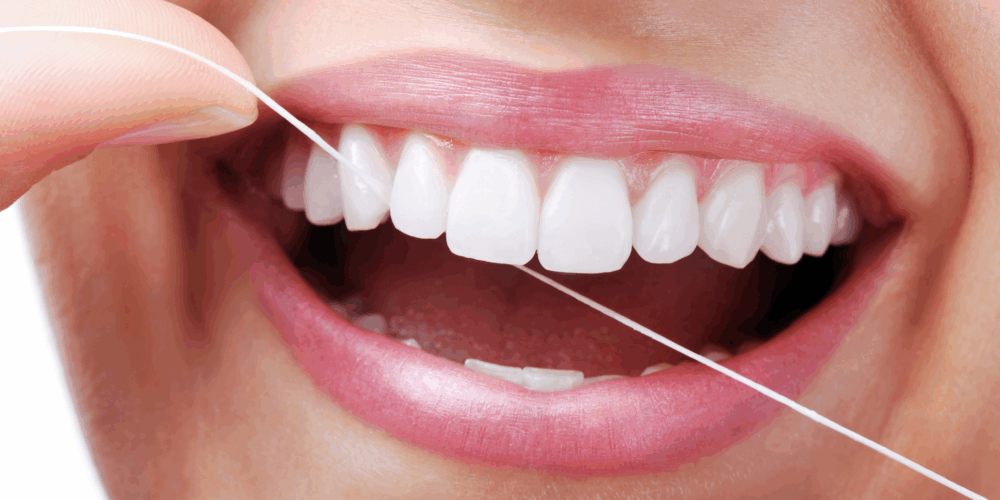
We all know that brushing twice a day is essential but flossing is just as important for keeping your teeth and gums healthy. Flossing helps remove plaque and food particles from areas your toothbrush simply can’t reach, reducing the risk of decay, gum disease, and bad breath.
However, with so many different types of dental floss and interdental cleaning tools available, it can be difficult to know which one is best for you. Below we explain the main types of floss along with TePe brushes and how to choose the most suitable option for your smile.
1. Nylon (Multifilament) Floss
Nylon floss is the most common type of floss available. It’s made from multiple strands of nylon fibres, which makes it slightly elastic and available in both waxed and unwaxed versions.
- Waxed floss glides more easily between tight spaces and is less likely to fray.
- Unwaxed floss offers a firmer texture and may clean more effectively if your teeth are well spaced.
Best for: Most people with average tooth spacing and no major dental restorations.
Our hygiene team recommends: Boots gum protect
2. Monofilament (PTFE) Floss
Made from a single filament, often PTFE (polytetrafluoroethylene), this type of floss is smooth, shred-resistant, and slides easily between tight contacts.
Best for: Patients with tight spaces between their teeth or those who find traditional floss difficult to manoeuvre.
3. Dental Tape
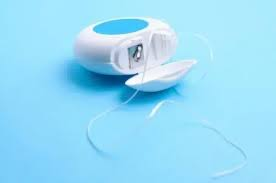
Dental tape is broader and flatter than standard floss, making it gentle on the gums and easier to use. It’s particularly comfortable for those with wider gaps between their teeth or who are new to flossing.
Best for: Individuals with wider spacing or mild gum sensitivity.
4. Super Floss
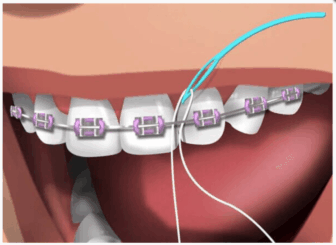
Super floss is specially designed for those with braces, fixed retainers, dental bridges, or dental implants. It features three sections: a stiffened end for threading under appliances, a spongy middle for cleaning around devices, and a regular floss section for standard areas.
Best for: Patients with orthodontic appliances, bridges, or implants.
5. Floss Picks and Floss Holders
Floss picks (or dental flossers) are convenient, handheld tools that hold a short length of floss between two prongs. They are easy to use and ideal for people who struggle with traditional flossing.
Best for: Children, travellers, or anyone seeking a quick and simple cleaning solution.
Our hygiene team recommends: Floss picks; oral B glide for adults and for kids the Jack and Jill fairy floss picks.

6. TePe Brushes (Interdental Brushes)
In addition to the different types of floss, TePe brushes (also known as interdental brushes) are highly effective for cleaning between teeth, particularly where gaps are too wide for floss to be effective.
These small, colour-coded brushes come in a range of sizes to fit different spaces. They gently remove plaque and debris from between teeth and around dental work such as bridges, dental implants, and orthodontic braces.
You can find out your size by asking one of our lovely hygienists!
Regular use of TePe brushes can significantly reduce the risk of gum disease and bad breath by cleaning areas that even the most diligent brushing might miss.
Best for: Patients with larger gaps between teeth, gum recession, braces, or implants.
7. Eco-Friendly and Sustainable Floss Options
With growing awareness of sustainability, many people are turning to eco-friendly dental floss options. These are designed to be gentle on both your teeth and the environment.
Popular choices include:
- Biodegradable silk floss – made from natural silk and coated with candelilla wax.
- Corn-based floss – vegan, compostable, and often packaged in refillable glass containers.
- Charcoal-infused floss – helps absorb bacteria and odours naturally.
Best for: Environmentally conscious patients seeking plastic-free, sustainable oral care.
Our Hygiene team recommends: gutology for charcoal infused and flon for silk floss.
Which Option Is Right for You?
The best type of floss for you depends on your dental needs; this includes tooth spacing, gum health, and personal preference. Many patients benefit from a combination of tools, such as using floss for tight spaces and TePe brushes for wider gaps.
Our dental hygienists in London can assess your oral health and demonstrate the best interdental cleaning technique to ensure you get the most from your routine. If you see experience bleeding with flossing/interdental cleaning please book in to see our hygiene team as it could be a sign of gum disease.
At The Kensington Dentist, we believe that a healthy smile starts with excellent daily care. Whether you prefer traditional floss, interdental brushes, or sustainable alternatives, the key is to clean between your teeth every day.
If you’re unsure which product or technique is best for you, speak to one of our dentists or hygienists at your next visit. We’ll be delighted to recommend the ideal tools and demonstrate how to use them effectively, helping you maintain a cleaner, fresher, and healthier smile.