
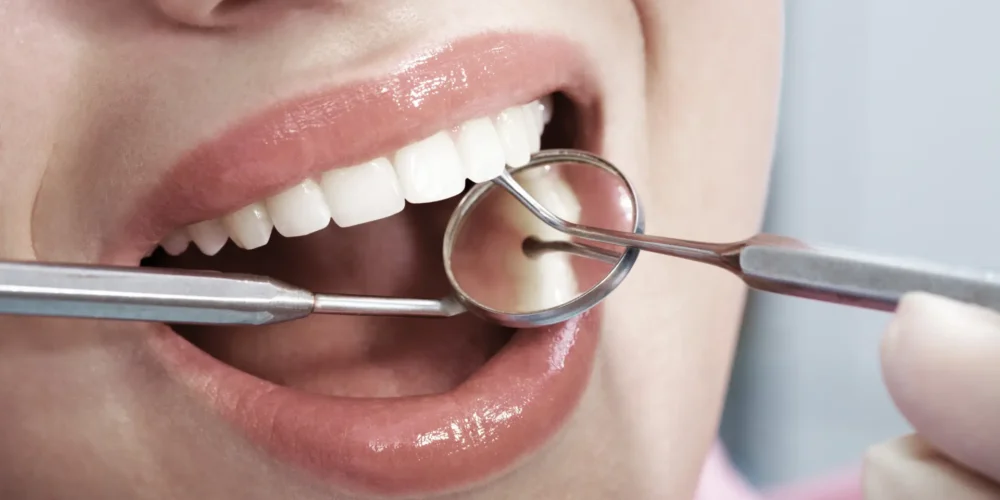
For many people, a trip to the dentist is something they put off until they notice a problem. But regular dental check-ups aren’t just about treating toothache, they are an important part of keeping your teeth, gums and overall health in good condition.
So, what actually happens at dental checkup when you sit in the dental chair?
1. Your dentist will ask how things have been
Your appointment will usually begin with a quick conversation about your oral health. Your dentist may ask whether you’ve experienced any pain, sensitivity, bleeding gums or other changes since your last appointment. They will also ask about your snacking habits, alcohol and cigarette intake and if you grind or clench.
This is also a good opportunity to mention anything you’ve noticed, even if it seems minor. Changes in your teeth or gums can sometimes be an early sign that something needs attention.
2. Your glands and mouth will be checked for signs of oral cancer.
A routine dental checkup isn’t limited to your teeth and gums. Your dentist will also examine the soft tissues throughout your mouth and gently check the glands around your jaw and neck for any unusual swelling or changes. Your dentist will also check the TMJ and muscular joints.
They will look at areas including your tongue, cheeks, lips, roof and floor of your mouth, checking for any unusual lumps, sores, ulcers, changes in colour or areas that aren’t healing as expected.
Most changes found during a routine dental checkup are not cancerous, but identifying anything unusual early means it can be investigated promptly. Oral cancer can sometimes develop without obvious symptoms, which is why regular dental examinations are an important part of maintaining your overall oral health.
If your dentist notices anything that requires further investigation, they’ll explain their findings and recommend the appropriate next steps or referral to a specialist.
3. Your teeth and gums will be examined
Your dentist will carefully examine your mouth, looking at your teeth, gums and surrounding tissues.
They’ll check for signs of:
- Tooth decay
- Gum disease
- Cracks or damage to teeth
- Worn or broken fillings
- Problems with existing dental work
- Changes to your gums or other areas of your mouth
4. You may need an X-ray
Not every dental check-up requires an X-ray. However, your dentist may recommend one if they need a closer look at areas that can’t be seen during a visual examination.
Dental X-rays can help identify issues such as decay between teeth, problems around the roots or changes to the bone supporting your teeth.
Your dentist will only recommend X-rays when they’re clinically appropriate for you.
5. Your dentist will assess your overall oral health
A routine dental check-up isn’t just about looking for cavities.
Your dentist will consider the bigger picture, including your gums, bite, existing dental work and any changes since your previous appointment. They may also check the soft tissues inside your mouth as part of your routine examination.
This allows your dentist to build a picture of your oral health over time and spot changes that might otherwise go unnoticed.
6. You’ll receive personalised treatment plan.
Depending on what your dentist finds, they may talk to you about your brushing technique, flossing or interdental cleaning, diet and lifestyle advice that could be affecting your oral health.
After your appointment if more treatment is recommended your treating dentist will provide a personalised treatment plan.
7. Your next steps will be discussed
If everything looks healthy, that’s great news! Your dentist will let you know and advise you on when they would like to see you again.
If they do find something that needs attention, they’ll explain what they’ve found and discuss the available options with you. This could mean monitoring an area, arranging further treatment or recommending a visit with the dental hygienist.
Most importantly, you’ll have the opportunity to ask questions and understand exactly what’s happening with your oral health.
Don’t wait until something hurts- prevention is better than cure.
One of the biggest misconceptions about dental appointments is that you only need to visit when something feels wrong. Many dental problems don’t cause noticeable symptoms in their early stages.
Regular dental check-ups give your dentist the opportunity to identify potential problems early and help you maintain a healthy smile for the long term.
So, whether it’s been six months or a little longer since your last appointment, booking a routine check-up could be one of the simplest things you can do for your oral health.
Have you been putting off your next dental appointment? Get in touch with The Kensington Dentist to book your routine check-up.